
Plunger Tip
Plunger Tip
Overview
Plungers are one of the simplest yet most powerful tools in household maintenance. Knowing how to choose and use them correctly can save you time, money, and avoid unnecessary mess.
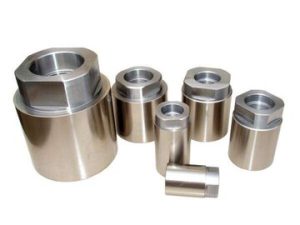
Plunger Tip
what every user needs to know:
-
Choose the right plunger for the job
Use a cup-style plunger for flat surfaces like sinks and tubs, and a flange plunger for toilets—its additional lip ensures a snug seal and better performance. -
Prepare your workspace
Make sure there’s enough water to cover the plunger’s cup—this boosts suction and prevents air gaps. For sinks or tubs, seal off overflow or secondary drains with a damp cloth for added pressure. -
Perfect your technique
Center the plunger snugly over the drain, push down gently to expel air, then pull up sharply to create suction. Repeat with controlled, steady thrusts for best results. -
Be patient but persistent A clog may require several rounds of plunging. If the blockage doesn’t clear, consider combining plunging with hot water or baking soda to help break it down.
-
Prioritize cleanliness and safety
Plungers can be messy. Wear gloves, clean thoroughly after use, and store separately (especially between bathroom and kitchen) to maintain hygiene. -
Know when to call in backup
If plunging isn’t enough, try a drain snake or natural methods first. Don’t force it—calling a plumber could be the safer, more effective solution for tough clogs.